Quick answer: Rinse cutlery soon after use, especially after salty or acidic food. Do not soak it for long, and avoid bleach and steel wool. Dry each piece straight away, and hand wash any wood-effect or plastic handles. These few habits keep stainless steel bright for years.
Stainless steel is tough, but it is not indestructible. Most of the marks people complain about are not rust. They are water spots, dull patches and small pits, and almost all of them come from habits that are easy to change.
Why cutlery marks
- Salt and chlorides. Salt, including the salt in some foods and in sea water, attacks the protective layer on stainless steel. Leaving salt on cutlery for hours is one of the most common causes of pitting.
- Acids. Vinegar, tomato, lemon, wine and some sauces are acidic. Rinse them off soon after the meal.
- Water minerals. Hard water leaves chalky spots. They are harmless, but they look dull.
- Standing wet. Water left to dry on the metal leaves marks, and leaving cutlery damp for long periods encourages stains.
- Harsh cleaners. Bleach, chlorine-based cleaners and abrasive pads damage the surface and leave it dull or scratched.
Everyday routine
- Rinse cutlery under warm water straight after the meal, particularly after salty or acidic food.
- Do not leave cutlery soaking in salty or acidic water for long periods.
- Wash in warm soapy water with a soft cloth or sponge.
- Dry each piece straight away with a clean cloth. This is the single most effective habit for a spot-free finish.
- Store in a dry drawer. Keep cutlery separate from any aluminium items, which can mark stainless steel when they touch in water.
Dishwashers
Many stainless steel sets are sold as dishwasher safe, but a dishwasher is still hard on cutlery. Hot water and strong detergent can dull the finish over time. Load pieces so they do not touch, and empty the dishwasher promptly so pieces dry. A rinse aid helps with spots. Always check the care label for the set you own, because handles may need hand washing.
Handles: the part that needs the most care
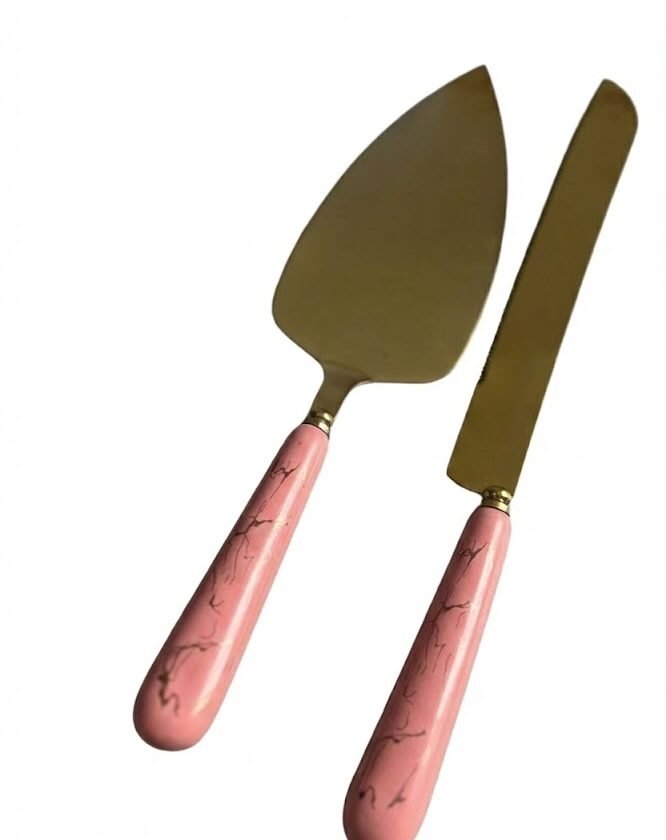
Wood-effect and ABS plastic handles can fade, crack or lift if they sit in hot water or go through the dishwasher repeatedly. Hand wash them, dry them, and do not soak them. Ceramic handles should be wiped and dried rather than left in water.
Removing marks
- Water spots: dry the piece, then polish gently with a soft cloth.
- Light discolouration: make a paste of bicarbonate of soda and water, rub gently with a soft cloth, rinse and dry.
- Limescale: a little diluted white vinegar on a cloth works well. Rinse thoroughly afterwards and dry at once, because vinegar is acidic.
- Avoid: steel wool, abrasive scourers and bleach. They scratch the finish and make later marks more visible.
What to do if you see pitting
Small pits are usually caused by salt left on the surface. They cannot always be removed, so the best approach is prevention: rinse, avoid salt soaks, and dry promptly.
Quick checklist
- Rinse after salty and acidic food.
- Dry every piece straight away.
- Hand wash wood-effect and plastic handles.
- No bleach, no steel wool.
- Store in a dry drawer.
For the steel itself, read our guide to stainless steel grades. Looking for a new set? Browse the cutlery range.